
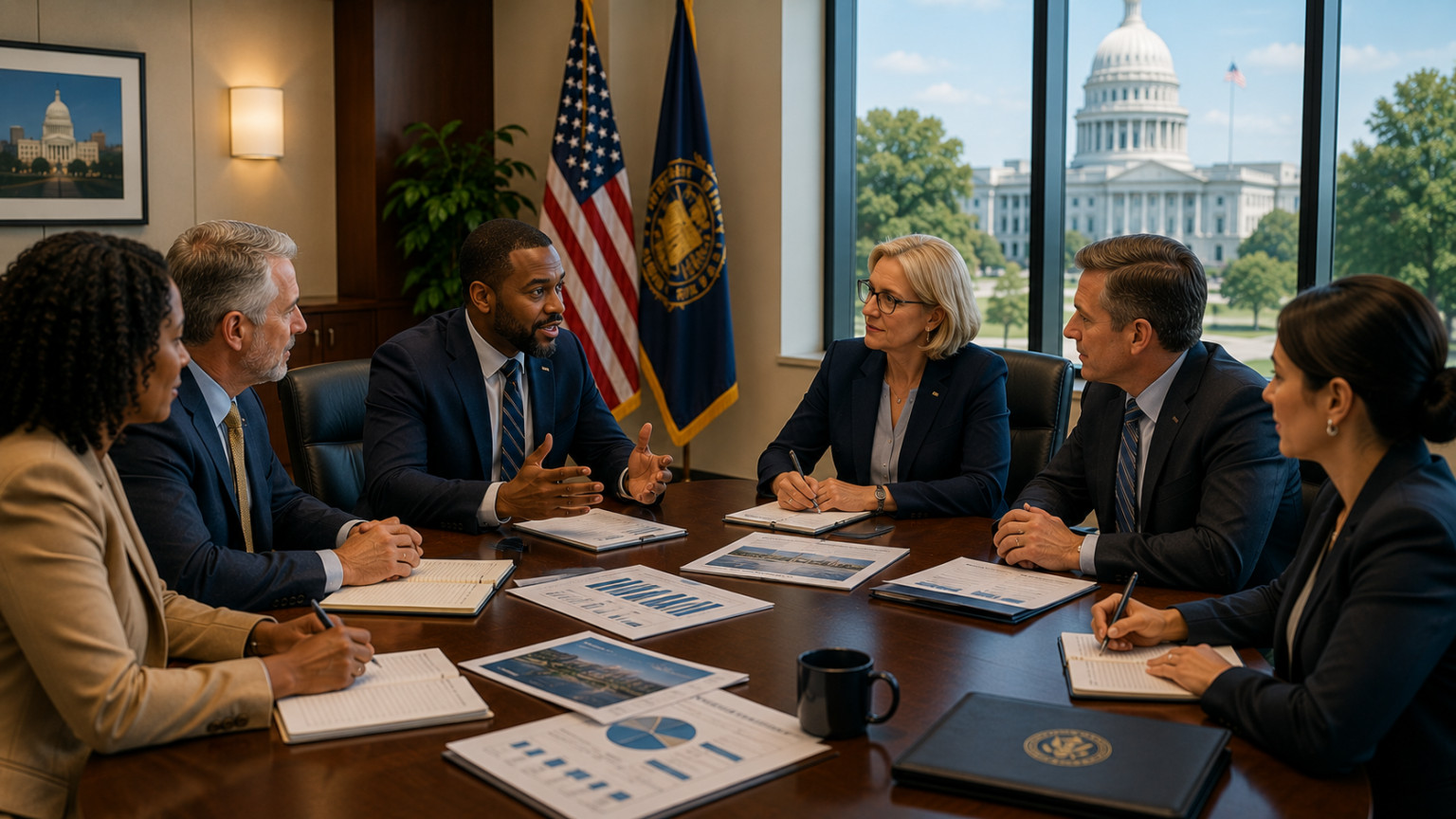
Whether seeking support for a project, advocating for policy changes, pursuing funding opportunities, addressing regulatory concerns, or building strategic partnerships, organizations often need to engage with government decision-makers.
However, successful government engagement requires much more than presenting a request or making a case. Government leaders operate in complex environments shaped by public accountability, legal requirements, stakeholder interests, budget considerations, and competing priorities.
Organizations that approach government relations strategically are far more likely to build productive relationships, establish credibility, and achieve meaningful results.
Before engaging elected officials, agency leaders, school boards, public administrators, or government staff, organizations should understand several key principles that contribute to effective engagement.
Understand the Government Decision-Making Process
One of the most common mistakes organizations make is assuming decisions are made quickly or by a single individual.
In reality, government decisions often involve multiple layers of review, stakeholder input, legal considerations, administrative processes, and public accountability requirements.
Depending on the issue, decision-makers may include:
- Elected officials
- Government administrators
- Department leaders
- Agency staff
- School boards
- Advisory committees
- Regulatory bodies
- Community stakeholders
Understanding who influences the decision and how decisions are made helps organizations develop more effective engagement strategies.
Do Your Homework Before the Meeting
Preparation is essential.
Before engaging government officials, organizations should thoroughly research:
- Current priorities and initiatives
- Strategic plans
- Budget considerations
- Relevant policies
- Existing challenges
- Community concerns
- Legislative or regulatory requirements
Understanding the environment in which decision-makers operate demonstrates professionalism and helps ensure discussions remain relevant and productive.
Well-prepared organizations are often viewed as more credible and more valuable partners.
Focus on Shared Goals
Government leaders are responsible for serving the public interest.
As a result, organizations should frame discussions around how their proposal, initiative, or concern aligns with broader community goals.
Rather than focusing exclusively on organizational benefits, consider:
- Community impact
- Economic benefits
- Educational outcomes
- Public safety improvements
- Operational efficiencies
- Service enhancements
- Quality-of-life improvements
Decision-makers are often more receptive when they understand how a proposal supports the communities they serve.
Be Clear About What You Are Asking For
Many meetings become less effective because organizations fail to clearly define their objectives.
Before any engagement, determine:
- What outcome is being sought?
- What decision is needed?
- What action is being requested?
- What support is required?
Specific requests help decision-makers evaluate opportunities and provide meaningful responses.
Clarity also demonstrates preparation and professionalism.
Build Relationships Before You Need Them
Government relations should not begin only when an organization needs assistance.
The strongest relationships are built over time through consistent engagement, communication, and collaboration.
Organizations can strengthen relationships by:
- Attending public meetings
- Participating in community initiatives
- Engaging in stakeholder discussions
- Sharing information and updates
- Supporting community priorities
- Maintaining regular communication
Relationship-building creates familiarity and trust that can support future engagement efforts.
Prepare Supporting Materials
Decision-makers often have limited time and must evaluate significant amounts of information.
Providing concise, well-organized materials can improve understanding and support more productive conversations.
Helpful materials may include:
- Briefing reports
- Fact sheets
- Project summaries
- Economic impact data
- Community benefit information
- Visual presentations
- Frequently asked questions
Clear documentation helps reinforce key messages and provides valuable reference material after meetings conclude.
Anticipate Questions and Concerns
Government leaders must evaluate proposals from multiple perspectives.
Organizations should expect questions related to:
- Cost and funding
- Community impact
- Long-term sustainability
- Public perception
- Regulatory compliance
- Risk management
- Stakeholder support
Preparing thoughtful responses demonstrates credibility and helps build confidence in the proposal or initiative being discussed.
Communicate Clearly and Professionally
Government engagement is most effective when communication is clear, concise, and respectful.
Strong communication practices include:
- Staying focused on key issues
- Using factual information
- Avoiding unnecessary jargon
- Respecting differing viewpoints
- Listening actively
- Following up professionally
Decision-makers appreciate organizations that communicate efficiently and provide practical solutions rather than simply presenting problems.
Understand That Timing Matters
Even strong proposals may face challenges if introduced at the wrong time.
Government priorities, budget cycles, legislative schedules, election periods, public concerns, and organizational workloads can all influence decision-making timelines.
Organizations should understand:
- Budget development schedules
- Strategic planning cycles
- Legislative calendars
- Public hearing requirements
- Procurement processes
- Funding deadlines
Timing can significantly affect the likelihood of success.
Focus on Long-Term Partnerships
The most successful government engagement efforts are not transactional.
Organizations that approach government relations as a long-term partnership often experience greater success than those focused solely on immediate outcomes.
Partnership-oriented organizations:
- Maintain communication
- Share updates
- Follow through on commitments
- Support collaborative solutions
- Contribute to community goals
Strong partnerships create opportunities for future collaboration and mutual success.
Building Credibility Is the Foundation
Ultimately, effective government engagement is built on credibility.
Decision-makers are more likely to engage with organizations that demonstrate:
- Professionalism
- Integrity
- Transparency
- Preparation
- Reliability
- Community commitment
Credibility develops over time through consistent actions, thoughtful communication, and a genuine commitment to serving shared interests.
Final Thoughts
Engaging government decision-makers requires preparation, strategy, relationship-building, and a clear understanding of how public-sector decision-making works.
Organizations that invest time in understanding priorities, developing strong messaging, preparing supporting materials, and building relationships are better positioned to achieve positive outcomes and establish lasting partnerships.
Government relations is not simply about asking for support—it is about creating productive relationships that advance shared goals and benefit the communities we serve.
At ARV Consultants LLC, we help organizations navigate government relations, stakeholder engagement, strategic communications, and public-sector partnerships that support informed decision-making and meaningful results.