
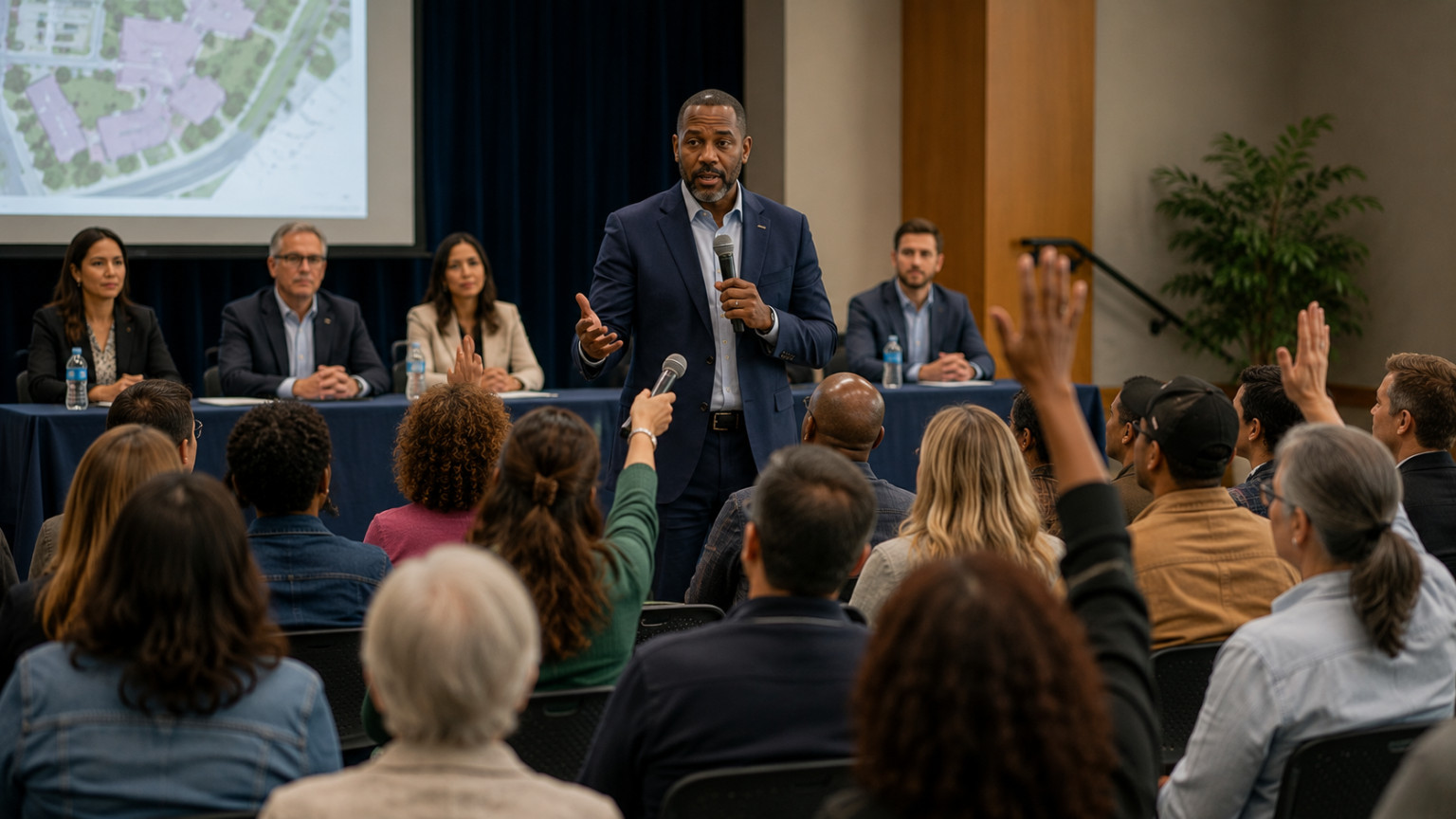
Public meetings are an essential part of leadership in government, education, public agencies, and community organizations. They provide opportunities to share information, gather feedback, explain decisions, and strengthen relationships with stakeholders.
However, public meetings can also present challenges. Community members may have strong opinions, difficult questions, competing priorities, or concerns about important issues affecting their neighborhoods, schools, organizations, or local government.
The difference between a productive meeting and a difficult one often comes down to preparation.
Leaders who invest time preparing for public meetings are better equipped to communicate effectively, build trust, manage expectations, and guide discussions toward meaningful outcomes.
Start With Clear Objectives
Before any public meeting, it is important to define the purpose of the event.
Ask yourself:
- What information needs to be shared?
- What decisions are being discussed?
- What feedback is being sought?
- What outcomes would make the meeting successful?
Clearly defined objectives help shape the agenda, presentation materials, messaging, and discussion strategy.
Without clear goals, meetings can easily become unfocused and less productive.
Understand Your Audience
Every public meeting involves stakeholders with different perspectives and interests.
Potential participants may include:
- Residents
- Parents and families
- Community organizations
- Business leaders
- Public officials
- Staff members
- Advocacy groups
- Media representatives
Understanding who will attend allows leaders to anticipate concerns and tailor communication appropriately.
Consider:
- What issues matter most to attendees?
- What questions are likely to arise?
- What concerns have been raised previously?
- What information will participants expect to receive?
Audience awareness improves communication effectiveness and demonstrates respect for stakeholder perspectives.
Develop Key Messages
One of the most important preparation steps is identifying the core messages you want attendees to remember.
Strong key messages are:
- Clear
- Concise
- Consistent
- Relevant
- Easy to understand
Avoid overwhelming attendees with excessive information.
Instead, focus on three to five primary messages that support the meeting’s objectives.
When discussions become difficult or conversations drift off topic, these key messages help leaders remain focused and consistent.
Prepare for Difficult Questions
Community members often attend public meetings because they want answers.
Some questions may be straightforward, while others may involve sensitive topics, criticism, or emotional concerns.
Preparation should include identifying likely questions and developing thoughtful responses in advance.
Common categories include:
- Budget and financial issues
- Policy decisions
- Project timelines
- Staffing concerns
- Community impacts
- Service delivery
- Public safety issues
- Accountability and transparency
Preparing responses helps leaders communicate with confidence while reducing the risk of reactive or inconsistent messaging.
Know the Facts
Credibility depends on accuracy.
Before a meeting, review:
- Relevant data
- Reports
- Financial information
- Project updates
- Timelines
- Policies
- Legal considerations
Leaders should be prepared to explain facts clearly and accurately.
If information is unavailable, it is often better to acknowledge that additional research is needed rather than speculate.
Honesty and accuracy strengthen trust.
Use Supporting Materials
Visual aids can help make complex information easier to understand.
Consider using:
- Presentation slides
- Fact sheets
- Project timelines
- Maps
- Infographics
- Budget summaries
- Frequently asked questions
Well-designed materials improve audience understanding and provide useful references after the meeting concludes.
Practice Your Presentation
Preparation is not only about content—it is also about delivery.
Rehearsing presentations allows leaders to:
- Improve clarity
- Refine messaging
- Manage timing
- Increase confidence
- Identify areas that need adjustment
Practice sessions can also help teams coordinate responses and ensure consistency among presenters.
Listen as Much as You Speak
Successful public meetings are not simply presentations—they are conversations.
Community members want to feel heard.
Effective leaders:
- Listen actively
- Acknowledge concerns
- Ask clarifying questions
- Respect differing viewpoints
- Avoid becoming defensive
Listening demonstrates respect and often provides valuable insights that can improve decision-making.
Stay Calm Under Pressure
Public meetings occasionally become emotional, especially when important community issues are involved.
Leaders should remain professional and composed even when facing criticism or challenging questions.
Helpful strategies include:
- Maintaining a respectful tone
- Responding with facts
- Avoiding arguments
- Acknowledging concerns
- Refocusing discussions on solutions
Composure helps maintain credibility and encourages productive dialogue.
Follow Up After the Meeting
Preparation does not end when the meeting concludes.
Strong follow-up demonstrates accountability and reinforces trust.
Post-meeting actions may include:
- Sharing meeting summaries
- Providing additional information
- Answering unanswered questions
- Publishing presentation materials
- Updating stakeholders on next steps
Consistent follow-up helps maintain engagement and demonstrates commitment to transparency.
Building Trust Through Preparation
Ultimately, preparation communicates professionalism, respect, and accountability.
When leaders arrive informed, organized, and ready to engage, stakeholders gain confidence that their concerns are being taken seriously.
Public meetings should not be viewed as obstacles. They are opportunities to strengthen relationships, improve understanding, and build trust between organizations and the communities they serve.
Final Thoughts
Public meetings play a critical role in effective leadership. Whether discussing policy changes, community projects, school initiatives, budgets, or organizational priorities, preparation can significantly improve outcomes.
By understanding stakeholders, anticipating questions, developing clear messages, and communicating with confidence, leaders can create productive conversations that foster transparency, collaboration, and trust.
At ARV Consultants LLC, we help public officials, school districts, agencies, boards, and organizational leaders prepare for public meetings, stakeholder engagement, community outreach, and strategic communications that strengthen public confidence and support meaningful results.